
Reinforced concrete foundations serve as the backbone of modern construction, combining strength, durability, and versatility. These foundations provide the essential support for buildings, bridges, and infrastructure projects, ensuring stability and longevity. Understanding their construction and benefits highlights why they remain a cornerstone of engineering and architecture.
What is a Reinforced Concrete Foundation?
A reinforced concrete foundation is a structural base made by combining concrete with embedded steel reinforcement bars (rebar). Concrete offers compressive strength, while steel provides tensile strength. This combination creates a material capable of withstanding significant stresses, making it ideal for supporting heavy loads and resisting environmental factors like earthquakes and soil movements.
Types of Reinforced Concrete Foundations
There are several types of reinforced concrete foundations, each suited to specific building needs and soil conditions:
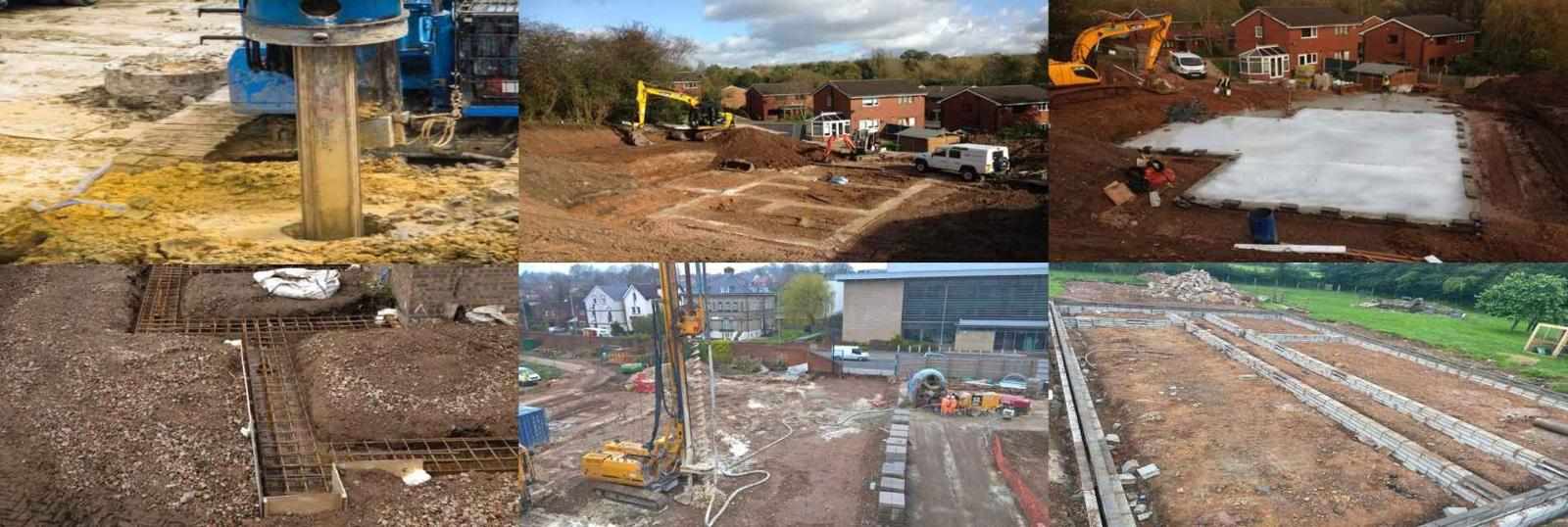
Strip Foundations: These are continuous strips of reinforced concrete that support walls. They are commonly used in residential buildings.
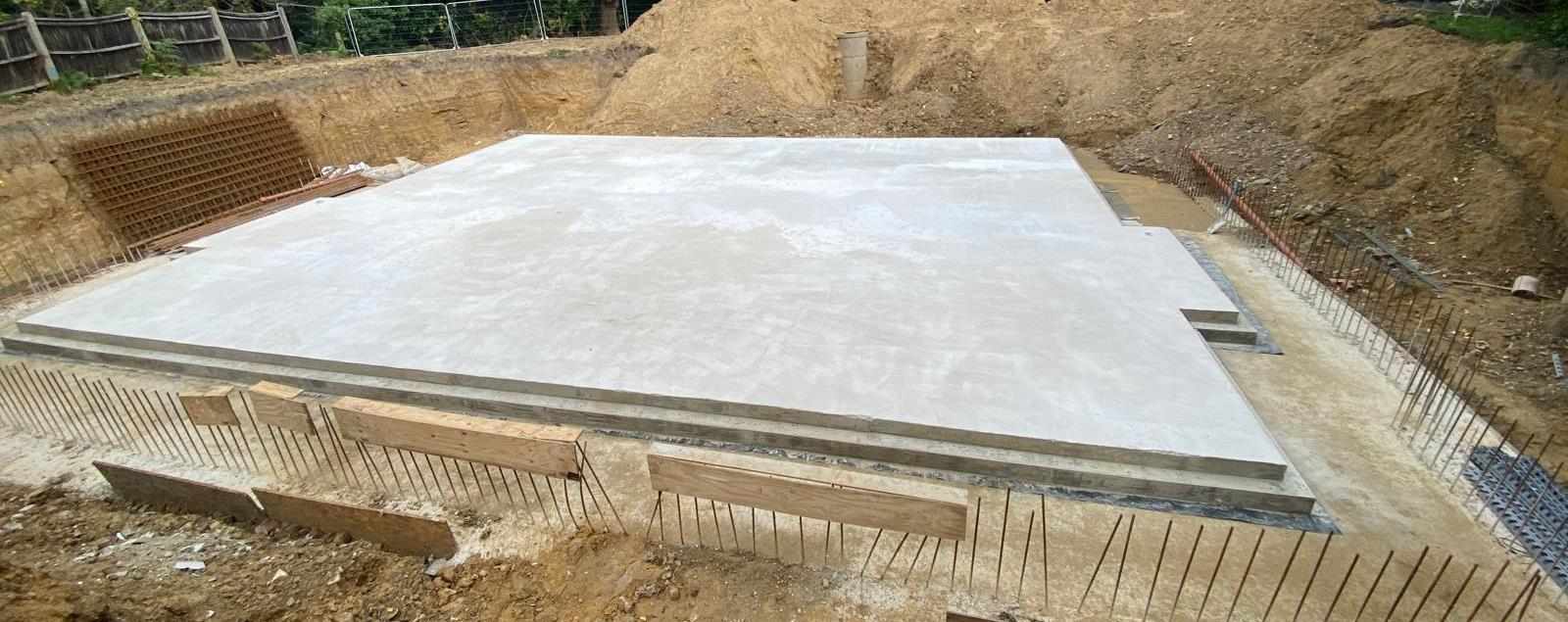
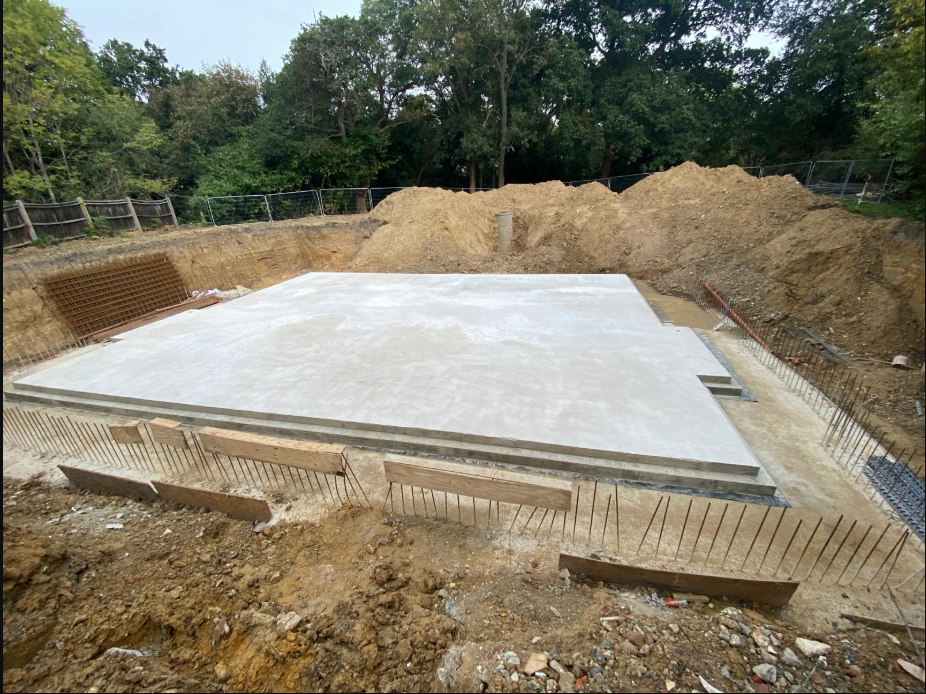
Raft Foundations: Also known as mat foundations, these involve a single, thick concrete slab reinforced with steel. They are used when the soil has a low load-bearing capacity.
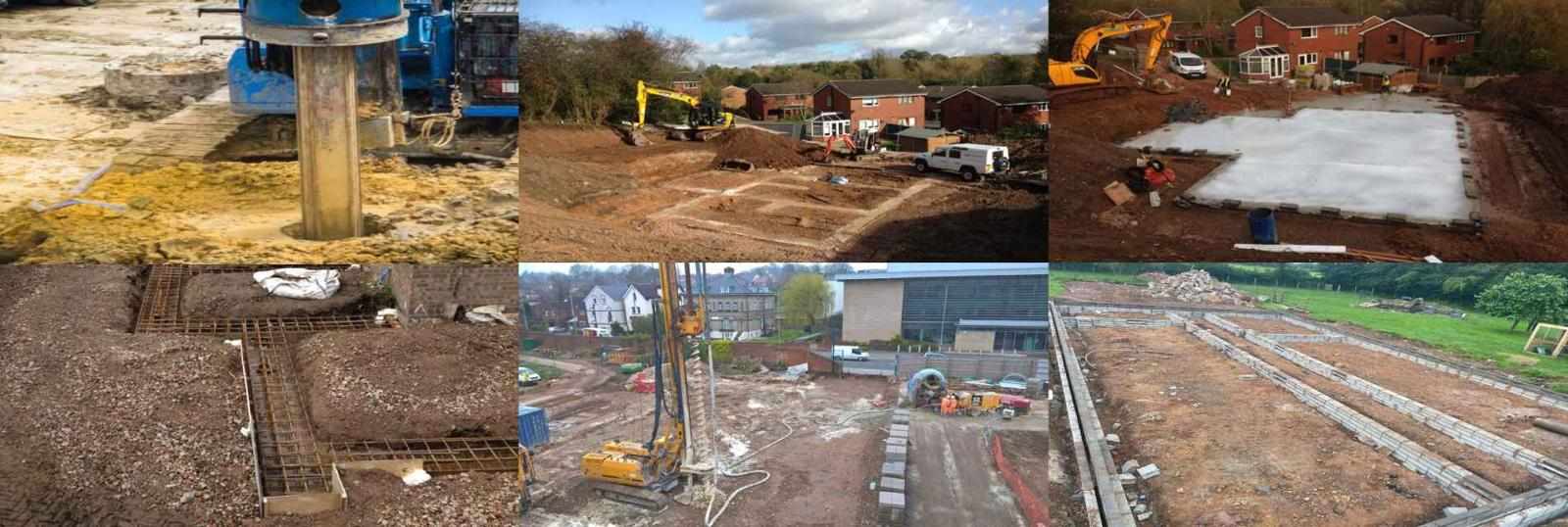
Pile Foundations: Reinforced concrete piles are driven deep into the ground to transfer loads to more stable soil layers. They are essential for high-rise buildings and structures on soft or waterlogged soils.
Isolated Footings: These are square or rectangular pads of reinforced concrete used under individual columns to distribute the load evenly.
Construction Process
The construction of a reinforced concrete foundation involves several critical steps:
Site Preparation: Clearing and leveling the site, followed by soil testing to determine its bearing capacity.
Excavation: Digging trenches or pits to the required depth and dimensions.
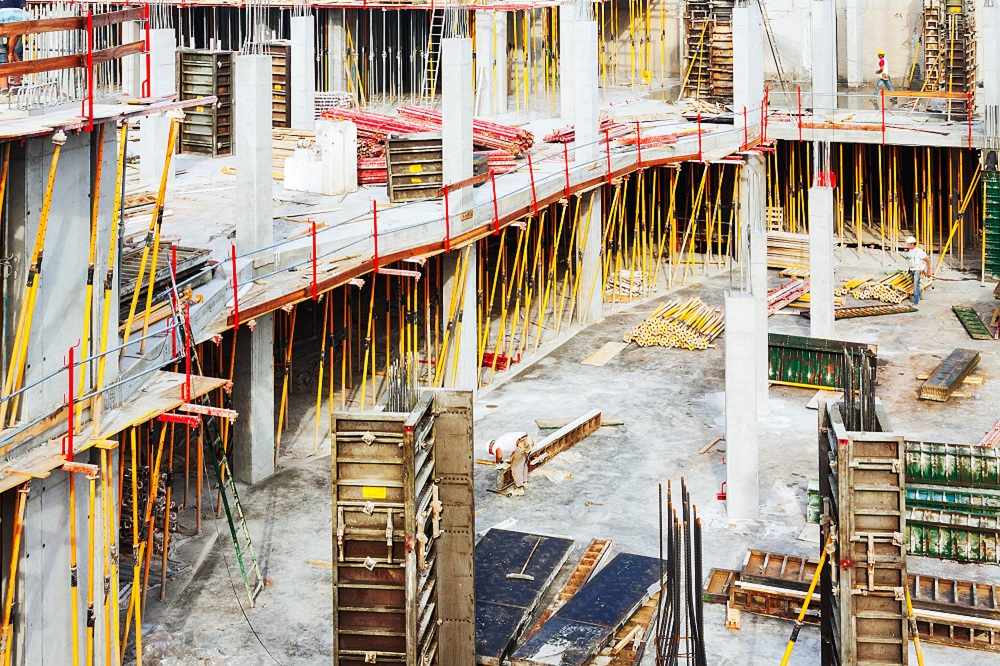
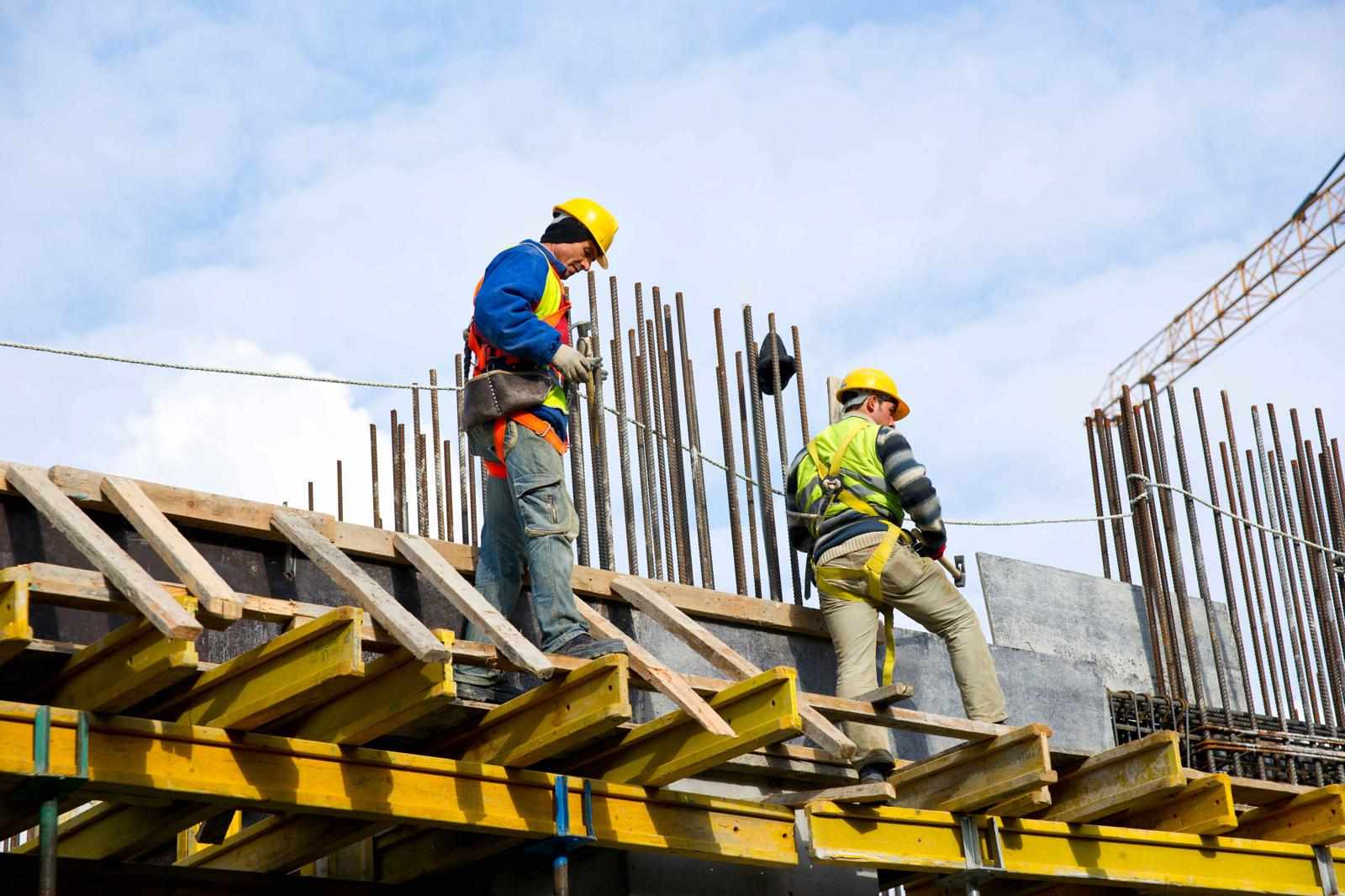
Formwork Installation: Setting up temporary molds to shape the concrete.
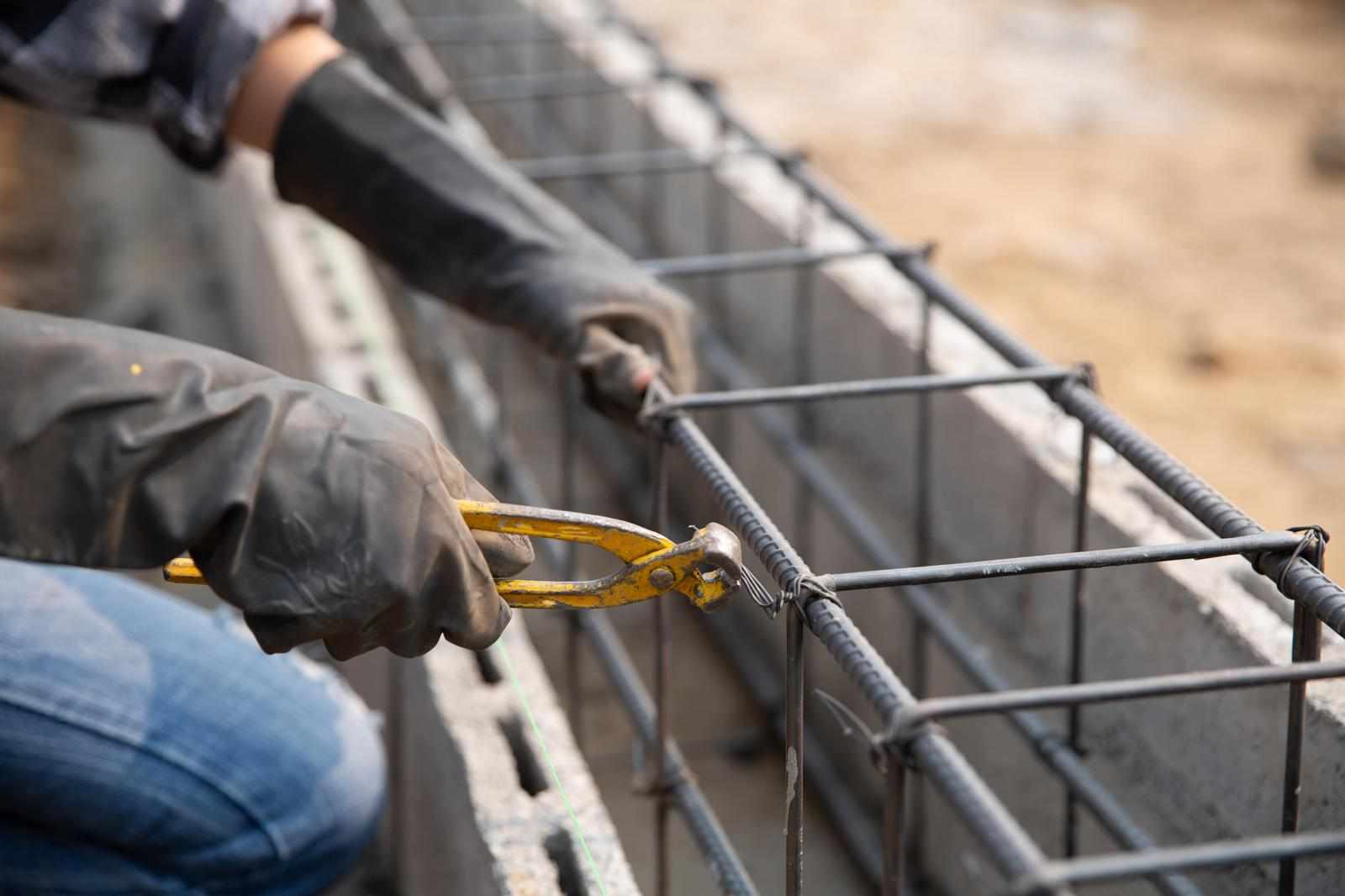
Reinforcement Placement: Positioning steel bars or mesh within the formwork, ensuring proper spacing and anchorage.
Curing: Allowing the concrete to cure over several days to achieve maximum strength.
Advantages of Reinforced Concrete Foundations
High Strength: The combination of concrete and steel offers superior strength to support heavy structures.
Durability: These foundations resist weathering, corrosion, and chemical attacks, ensuring a long lifespan.
Versatility: They can be designed to suit various soil conditions and structural requirements.
Cost-Effective: Despite the initial investment, their durability reduces long-term maintenance costs.
Safety: Reinforced concrete can withstand seismic forces, providing stability during earthquakes.
Applications
Reinforced concrete foundations are used in residential, commercial, and industrial buildings. They are also crucial for bridges, dams, and towers. Their adaptability makes them suitable for diverse projects, from small homes to massive infrastructure developments.
Conclusion
Reinforced concrete foundations are integral to modern construction, offering unmatched strength and reliability. Their ability to adapt to various challenges, combined with their durability, ensures they will remain a preferred choice for engineers and builders worldwide. Investing in a well-designed and constructed reinforced concrete foundation is vital for any project’s success, providing the foundation for a secure and enduring structure.
For more details, visit us:
Reinforced Concrete Contractors

Write a comment ...